InterviewOra
A mock interview only helps if the questions feel like the real thing. Reading a list in your head is not practice. Saying your answer out loud, under a little pressure, to someone (or something) that asks a follow up, is.
Below are 40 mock interview questions grouped by the part of the interview where they usually show up, what the interviewer is really checking, and a simple plan to run a mock session and score yourself honestly.
What are the most common mock interview questions?
The most common mock interview questions are: tell me about yourself, why do you want this job, why should we hire you, what are your strengths and weaknesses, tell me about a time you handled a conflict, describe a failure, and do you have any questions for us. Practice these seven out loud first, then add role specific technical questions.
Opening questions (1 to 6)
These set the tone. The interviewer checks whether you can give a clear, short summary and connect your background to the role.
- Tell me about yourself.
- Walk me through your resume.
- Why are you looking for a new role right now?
- Why do you want to work here?
- What do you know about our company?
- Why should we hire you?
Keep each answer under 90 seconds. Our guides on how to answer tell me about yourself, why do you want to work here and why should we hire you have ready scripts.
Behavioral questions (7 to 18)
Behavioral questions test how you acted in real situations. Answer with one specific story using the STAR method: situation, task, action, result.
- Tell me about a time you disagreed with a coworker.
- Describe a project that failed. What did you learn?
- Tell me about a time you missed a deadline.
- Give an example of a time you showed leadership without the title.
- Tell me about a difficult customer or stakeholder.
- Describe a time you had to learn something fast.
- Tell me about a decision you made with incomplete information.
- Give an example of when you received tough feedback.
- Describe your proudest accomplishment.
- Tell me about a time you had too much on your plate.
- Describe a time you changed someone's mind.
- Tell me about a mistake you made and how you fixed it.
For more examples with sample answers, see our full list of behavioral interview questions.
Self assessment and fit questions (19 to 26)
- What are your greatest strengths?
- What is your biggest weakness?
- How would your last manager describe you?
- What kind of work environment helps you do your best work?
- Where do you see yourself in three years?
- What motivates you?
- How do you handle stress and pressure?
- What are your salary expectations?
The weakness question trips up most people in mocks. Our strengths and weaknesses guide shows how to pick a real weakness and show progress. For the salary question, use the scripts in our salary negotiation guide.
Role and technical questions (27 to 34)
Swap these for your field. The goal is to practice explaining your thinking out loud, not just reaching an answer.
- Walk me through how you would approach [a core task in this role].
- Explain a technical concept from your field to a non expert.
- Software: reverse a linked list, then explain the time and space complexity.
- Software: how would you design a URL shortener?
- Product: how would you measure success for a new feature?
- Sales: sell me this pen, then handle my objection on price.
- Tell me about a tool or process you improved.
- What would you do in your first 90 days here?
Going deeper by role: system design patterns, coding interview prep, product manager interview questions and sales interview questions.
Phone screen questions (35 to 37)
- Are you open to the location and schedule for this role?
- When could you start?
- Give me a two minute summary of your most relevant experience.
Phone screens are short and fast. Practice them on an actual phone call, not a video call. Our phone interview questions guide covers the full set.
Closing questions (38 to 40)
- Is there anything else you would like us to know?
- Do you have any questions for us?
- If we made you an offer today, would you accept?
Always have two or three questions ready. Pick from our list of questions to ask the interviewer.
How to run a mock interview that actually helps
- Pick 8 to 10 questions: 2 opening, 4 behavioral, 2 technical, 1 closing, plus one you dread.
- Set a timer for 30 to 45 minutes, the length of a real round.
- Answer out loud, standing or seated like the real call. No notes for the opening questions.
- Have the interviewer ask at least one follow up per answer, such as "What exactly did you do?" or "What would you do differently?"
- Record the session so you can hear filler words and long pauses.
- Review right away, fix the two weakest answers, and run those again the next day.
How to score your mock interview
Rate each answer from 1 to 5 on these four points. Anything under 3 goes on tomorrow's practice list.
- Structure: did the answer have a clear beginning, middle and result?
- Specifics: did you name a real project, number or outcome?
- Length: was it between 60 and 120 seconds?
- Relevance: did you tie it back to this role?
Practice with a voice AI interviewer
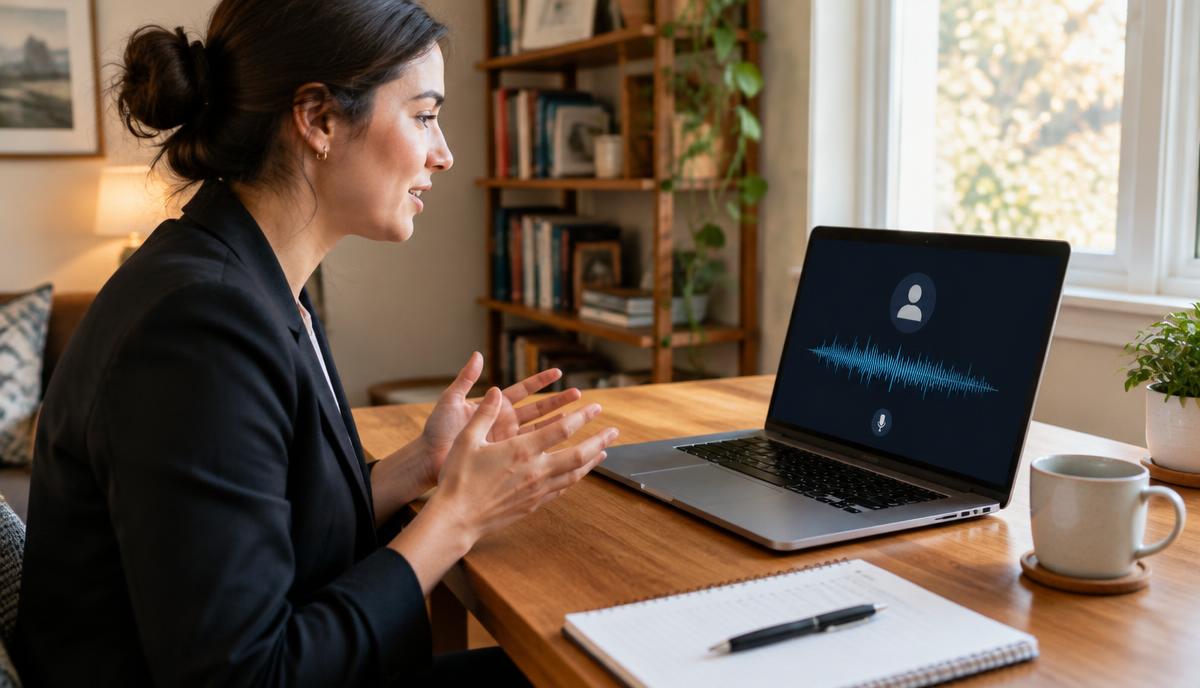
No friend available, or tired of the same person asking the same questions? The free InterviewOra AI mock interview runs a voice to voice session: it asks the questions out loud, listens to your answer, asks follow ups, and gives you a report at the end. You can pick software engineering, product, system design or behavioral templates.
When the real interview comes, the interview assistant and phone interview assistant help on the live call, using the same stories you saved and practiced.
Common mock interview mistakes
- Practicing silently instead of out loud.
- Memorizing scripts word for word, which sounds robotic under pressure.
- Only practicing easy questions you already like.
- Skipping follow ups, which is where real interviews get hard.
- Doing one mock the night before instead of short sessions over a week.
For a full week by week plan, see how to prepare for a job interview.
Frequently asked questions
How many questions are in a mock interview? Usually 8 to 12 for a 30 to 45 minute session, with follow ups on each answer.
How many mock interviews should I do? Two to four sessions in the week before a real interview is enough for most people, as long as you fix weak answers between them.
Can I do a mock interview alone? Yes. Record yourself answering, or use a voice AI mock interview that asks follow ups for you.
What should I wear for a mock interview? Wear what you plan to wear on the real call. It helps you get used to the setup and camera.
Try InterviewOra free
Real-time AI coaching during your interviews. No credit card required to get started.
See plans